Our Coffee
Two origins. Zambia and Uganda.
We pick every cherry by hand.
Then roasted in America.
The first origin
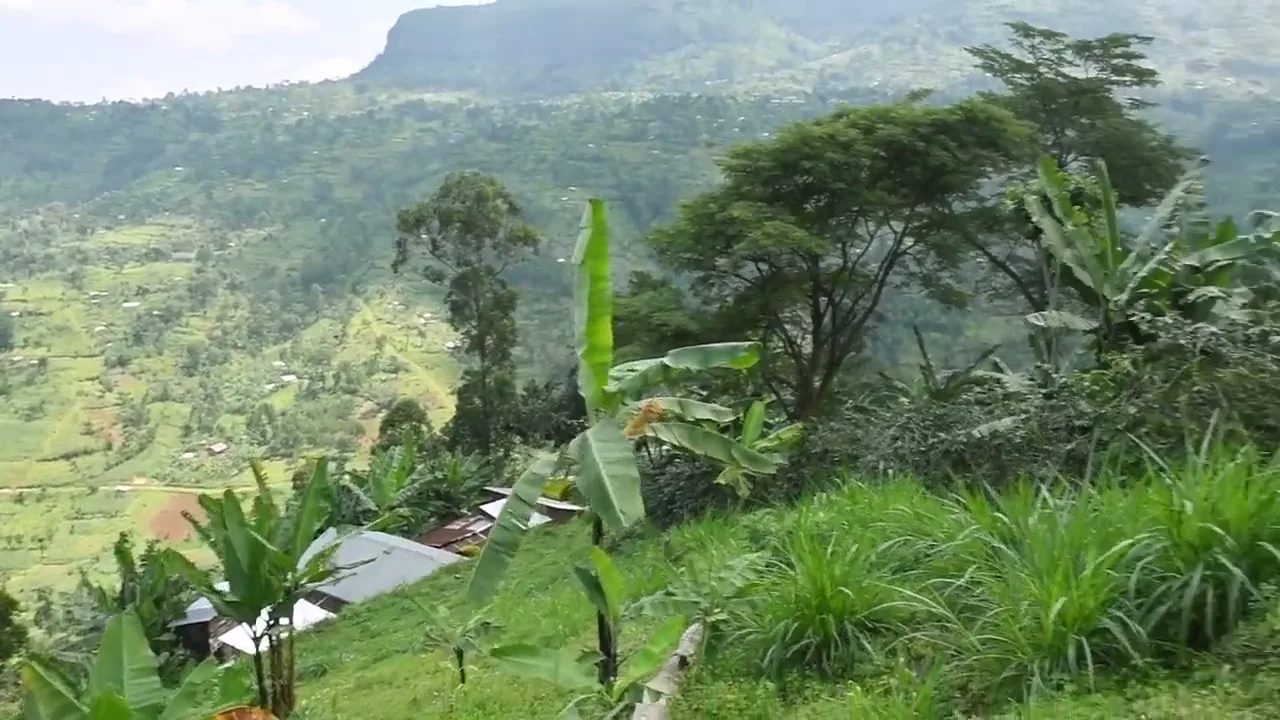
Our Zambia begins on one farm.
One farm, one lot. The farm grows single-origin micro-lot beans on twelve acres of the Zambian plateau, small-batch, for the cup and for the people who tend it.
- Variety
- Catimor 129
- Under cultivation
- 0 acres
- In the ground
- 0 years
- Origin
- Zambia

We were there
The people behind every bag.
We didn’t source this over email. We stood in the rows, met the families, and watched the harvest with our own eyes.


Cherry to cup in Zambia
We pick only the red ones, and leave the rest to ripen.
- 01Picked fully red, by hand
- 02Floated overnight to sort
- 03Depulped, then washed
- 04Dried under shade mesh to 12%
- 05Hulled, rested, and shipped
Slow by choice
Dried in the shade, not the sun.
Most coffee is rushed dry in direct sun, which scorches the bean and flattens the cup. Our Zambia dries slowly under shade mesh to 12% moisture, which protects the sugars, the aroma, and the taste all the way to the cup. It is slower and it is more work, and it is the reason the Zambia comes through as clean as it does.

The second origin
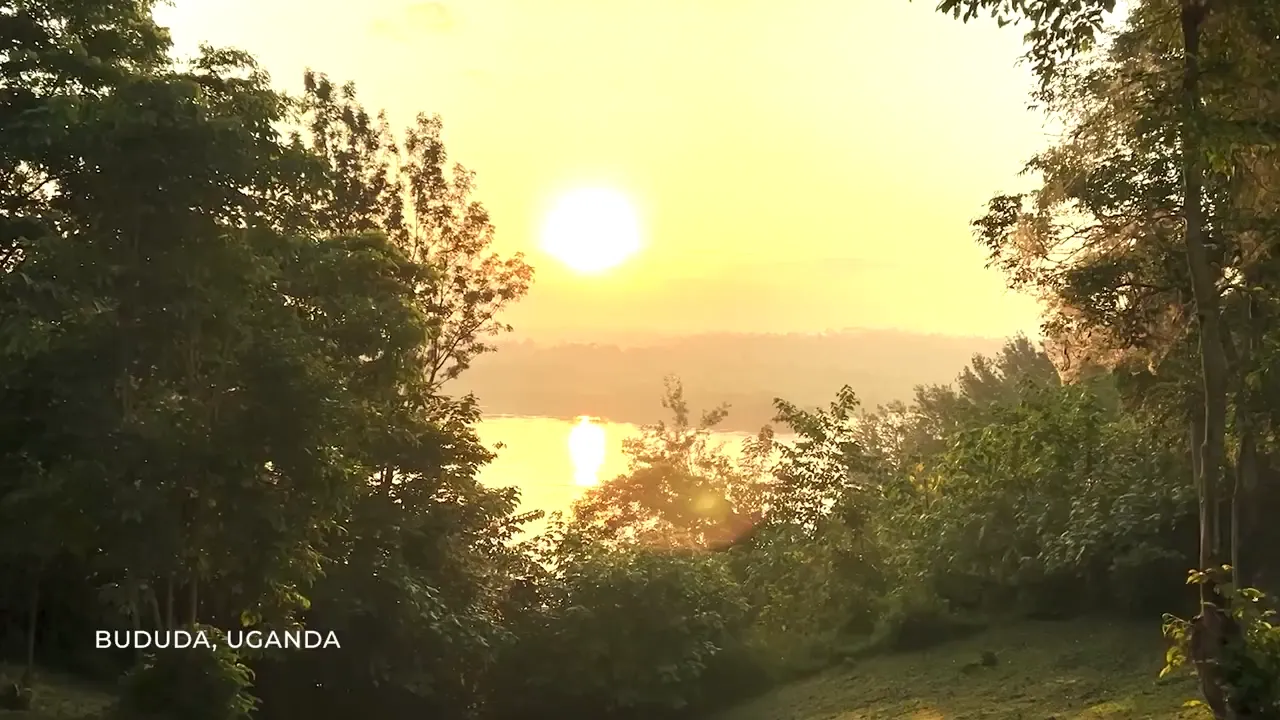
And high in eastern Uganda.
Our Uganda grows over 4,200 feet up the side of an extinct volcano in the east of the country. The soil is volcanic and deep, and some of the best Arabica in Africa has come off these slopes for more than a century. Altitude slows the cherry down, and a slower cherry concentrates what ends up in the cup.
- Region
- Eastern highlands
- Elevation
- 0+ ft
- Farmers
- 0+
- Origin
- Uganda
Why Uganda
Thirty farmers became four hundred.
For generations the middleman took the larger share of this crop, and the families who grew it stayed poor. Our sourcing partner started with one conversation among thirty-odd growers, asking what they actually needed. Since then they have bought land in the region to process the coffee and ship the green bean straight to the United States, so the growers are paid above what the middleman paid them, and the proceeds fund a school in that same community for orphans and vulnerable children.
- 0+
- farmers at the first meeting, two years ago
- 0+
- farmers gathered by the time we came back
The coffee is only half the story.
Every bag turns profit into orphan care in Zambia and ministries beyond it.